
Purchases with socio-environmental value focused on a sustainable future.
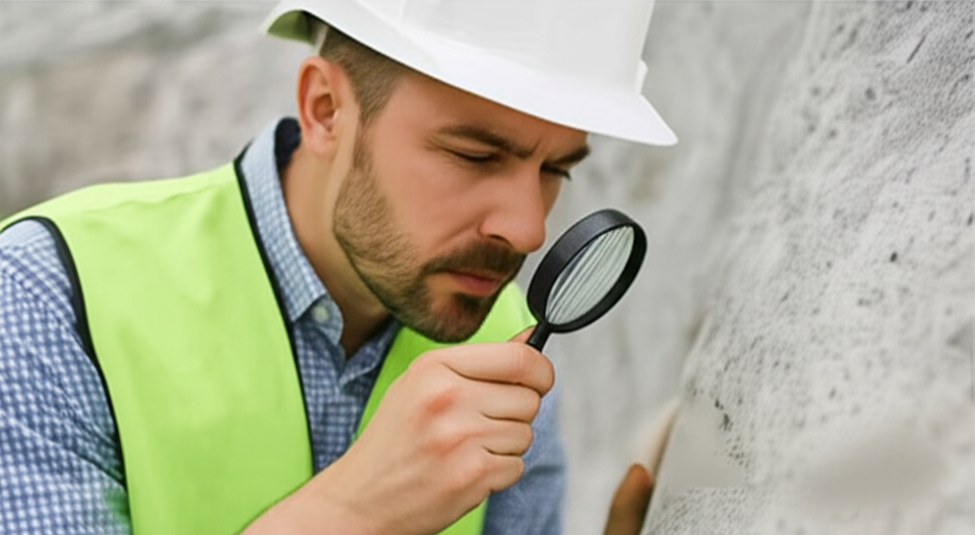
At GEMS™, we believe that every purchasing decision is an opportunity to generate a positive impact. The so-called Impact Economy is transforming the way companies and governments engage with the market, prioritizing not only economic benefits but also social and environmental outcomes.
What is the Impact Economy?
It is an economic approach that puts people and the planet at the center of decision-making. It is built on three key pillars:
1.- Sustainability: efficient and responsible use of resources.
2.- Social equity: real opportunities for everyone.
3.- Accountability: transparent and socially/environmentally aware decisions.
Why is it relevant for purchasing?
Procurement professionals have the power to transform supply chains by choosing quality products that are also sustainable. Each selected supplier helps strengthen a network of positive impact.
Partnerships between small and large businesses, or support for social enterprises, are concrete examples of how purchasing can be a powerful tool for inclusive and sustainable development.
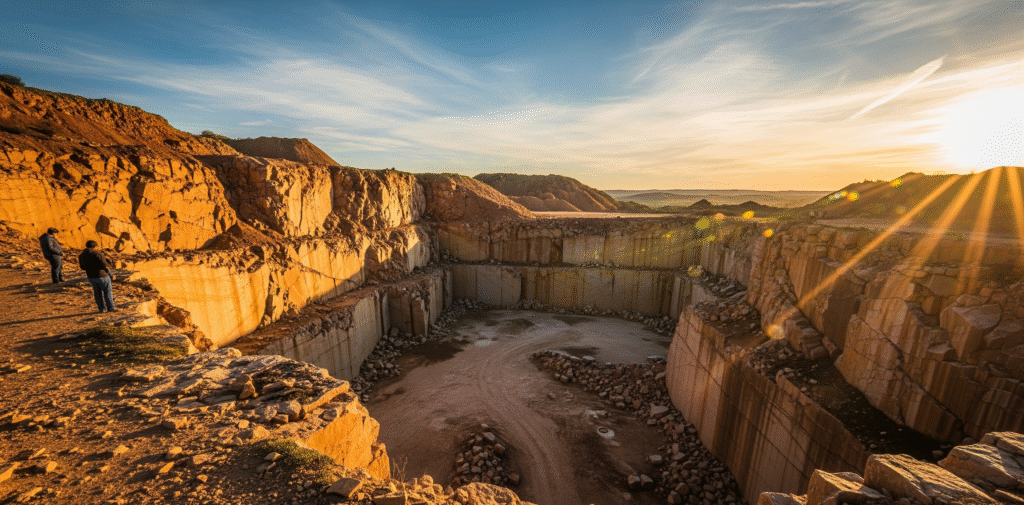
Sustainability, social equity, and accountability all converge in the efficient and mindful use of resources.
In the context of architecture, design, and construction, sustainability means more than just choosing materials with a low environmental impact. It also requires understanding and respecting the nature of those materials.
Natural stone, as the name suggests, is a unique formation created by the Earth over millions of years. Its beauty lies in its intrinsic value, one-of-a-kind character, and authenticity. It is not manufactured; it is discovered, quarried, and transformed.
That is why it is essential for specifiers, architects, and importers to understand that natural stone should not be evaluated by the same uniformity standards applied to manufactured products. Expecting homogeneity from a natural material disregards its essence and undermines the very logic of sustainability. However, this does not eliminate the need to verify its structural integrity, thickness variations or other conditions that may occur during the industrial processes that all ornamental stone slabs undergo.
Adopting this understanding is key to ensuring the long-term viability of quarries and companies committed to responsible mining and the processing of ornamental stone.
Future generations of professionals and consumers must recognize that specifying natural stone means embracing its variations, veining, shades, and textures as marks of authenticity, not defects. However, it is critical to distinguish between these natural characteristics and actual flaws that may compromise the stone’s integrity. This is why the role of specialized professionals in inspection and verification is indispensable, ensuring that each piece meets the highest standards of quality and durability. Only then can we build a market truly aligned with the principles of sustainability.
Sustainability begins with knowledge. And knowledge leads us to respect nature.
Just Transition: balancing planet and people
The transition to a green economy must be fair: protecting the environment without leaving workers or communities behind. Purpose-driven purchasing is a key part of this balance. Moreover, it contributes to job creation and helps prevent migration.s.
At GEMS™, we promote responsible practices at every step of the supply chain. Because we understand that every decision matters.
And you, are you already buying with impact?